Hey! Here is a link to download the WordPress app. I’m really enjoying it and thought you might too. https://wordpress.org/mobile?campaign=app_share_link
Author: Enji
-
Батерей бол хог биш: Тойрог эдийн засгийн дараагийн стратегийн нөөц
Цахилгаан автомашин, сэргээгдэх эрчим хүч, эрчим хүч хадгалах системийн хэрэглээ нэмэгдэхийн хэрээр батерейн хэрэгцээ дэлхий даяар эрчимтэй өсөж байна.
Гэхдээ бид нэг чухал асуултыг өнөөдрөөс тавих хэрэгтэй.
Өнөөдрийн цэвэр технологийн шийдэл ашиглалтын хугацаа дууссаны дараа хаашаа явах вэ?
Батерейг зөвхөн хэрэглээд хаядаг бүтээгдэхүүн гэж харах нь хангалтгүй. Түүний амьдралын мөчлөгийг түүхий эдээс эхлээд үйлдвэрлэл, хэрэглээ, дахин ашиглалт, дахин боловсруулалт, материалын нөхөн сэргэлт хүртэл бүхэлд нь төлөвлөх шаардлагатай.
Ашиглалтаас гарсан батерей = шинэ нөөц
Лити-ион батерейд лити, никель, кобальт, манган, зэс, хөнгөн цагаан, графит зэрэг эдийн засаг болон технологийн өндөр ач холбогдолтой материалууд агуулагддаг.
Иймээс ашиглалтаас гарсан батерейг зөвхөн “хог хаягдал” гэж үзэхийн оронд материалын хоёрдогч эх үүсвэр гэж харах нь тойрог эдийн засгийн үндсэн зарчим юм.
Зөв систем бий болгосноор батерейг:
цуглуулах → оношлох → ангилах → дахин ашиглах → техникийн урьдчилсан боловсруулалт хийх → материалыг нөхөн сэргээх → үйлдвэрлэлийн эргэлтэд буцаах
боломжтой.
Ингэснээр нэгэнт олборлосон чухал ашигт малтмалыг дахин дахин эдийн засгийн эргэлтэд ашиглах нөхцөл бүрдэнэ.
Дахин боловсруулах нь ганц шийдэл биш
Батерейн тойрог систем гэдэг нь шууд дахин боловсруулах үйлдвэр байгуулах тухай ойлголтоор хязгаарлагдахгүй.
Зарим батерей тээврийн хэрэгсэлд ашиглах шаардлагыг хангахаа больсон ч тодорхой хэмжээний хүчин чадалтай хэвээр байж болно. Тэдгээрийг техникийн үзүүлэлт, аюулгүй байдлыг нь үнэлсний дараа second-life буюу хоёрдогч хэрэглээнд, тухайлбал эрчим хүч хадгалах системд ашиглах боломжтой.
Харин дахин ашиглах боломжгүй болсон батерейгаас материалыг нөхөн сэргээж, үйлдвэрлэлийн нийлүүлэлтийн сүлжээнд буцаана.
Тиймээс ирээдүйн системийн зорилго нь:
батерейг аль болох удаан ашиглах, материалыг аль болох удаан эргэлтэд хадгалах явдал юм.
Технологи маш хурдан өөрчлөгдөж байна
Өнөөдөр лити-ион батерей давамгайлж байгаа ч solid-state, lithium-sulfur, sodium-ion болон бусад шинэ химийн найрлага, технологи хөгжиж байна.
Энэ өөрчлөлт нь дахин ашиглалт, ангилалт, тээвэрлэлт, аюулгүй ажиллагаа, дахин боловсруулах технологид шинэ шаардлага бий болгоно.
Тиймээс бид зөвхөн өнөөдрийн батерейг боловсруулах систем биш, ирээдүйн технологийн өөрчлөлтөд дасан зохицох чадвартай дэд бүтэц төлөвлөх шаардлагатай.
Монгол Улс яагаад одооноос бэлтгэх ёстой вэ?
Монгол Улс эрчим хүч, тээвэр, дижитал шилжилтийн шинэ үе рүү орж байна. Үүнтэй зэрэгцэн төрөл бүрийн батерейн хэрэглээ нэмэгдэнэ.
Хэрэв бүтээгдэхүүнийг импортлох систем байгаа боловч ашиглалтаас гарсны дараах хариуцлага, цуглуулалт, бүртгэл, дахин ашиглалт, боловсруулалтын тогтолцоо хөгжөөгүй бол өнөөдрийн технологийн дэвшил маргаашийн байгаль орчны дарамт болж хувирах эрсдэлтэй.
Тиймээс Монголд батерейн тойрог системийг урьдчилан төлөвлөх шаардлагатай.
Үүнд Үйлдвэрлэгчийн өргөтгөсөн хариуцлага (EPR), батерейн дижитал паспорт, улсын хэмжээнд цуглуулах сүлжээ, оношилгоо ба ангилалт, хоёрдогч хэрэглээ, аюулгүй урьдчилсан боловсруулалт, чухал ашигт малтмалын нөхөн сэргээлт зэрэг хэсгүүд хоорондоо уялдсан байх ёстой.
Монголын Тойрог Батерейн Санаачилга
Mongolia Circular Battery Initiative (MCBI)-ийн зорилго бол батерейн хаягдлын асуудал үүссэний дараа шийдэл хайх бус, асуудал томрохоос өмнө системийг бий болгох явдал юм.
Энэ бол зөвхөн хог хаягдлын төсөл биш.
Энэ бол байгаль орчны хамгаалалт, чухал ашигт малтмалын хариуцлагатай хэрэглээ, эрчим хүчний шилжилт, технологийн дэд бүтэц, тойрог эдийн засгийг нэг системд холбох оролдлого юм.
Монгол Улс зөвхөн түүхий эд олборлон экспортлогч орон байх албагүй.
Бид нэгэнт олборлосон материалаа хариуцлагатай ашиглаж, дахин сэргээж, эдийн засгийн эргэлтэд буцаадаг тогтолцоог хөгжүүлэх боломжтой.
Нэг удаа олборлоно. Олон удаа эргэлтэд оруулна. Ирээдүйд хог биш — нөөц үлдээнэ.
— Mongolia Circular Battery Initiative (MCBI)
-
??????? ??? ??? ???: ?????? ????? ??????? ????????? ?????????? ????
????????? ?????????, ?????????? ????? ???, ????? ??? ???????? ????????? ???????? ??????????? ?????? ???????? ???????? ?????? ????? ???????? ???? ?????.
?????? ??? ??? ????? ???????? ????????? ????? ????????.
????????? ????? ??????????? ?????? ?????????? ??????? ???????? ????? ?????? ???? ???
???????? ?????? ????????? ?????? ???????????? ??? ????? ?? ??????????. ?????? ????????? ????????? ?????? ????? ?????? ??????????, ????????, ????? ????????, ????? ?????????????, ?????????? ????? ??????? ?????? ?????? ?? ???????? ????????????.
??????????? ?????? ??????? = ???? ????
????-??? ???????? ????, ??????, ???????, ??????, ???, ?????? ??????, ?????? ????? ????? ????? ????? ??????????? ????? ?? ???????????? ??????????? ???????????.
?????? ??????????? ?????? ???????? ?????? “??? ???????” ??? ??????? ????? ?????????? ???????? ?? ?????? ??? ????? ?? ?????? ????? ??????? ?????? ?????? ??.
??? ?????? ??? ?????????? ????????:
????????? ? ??????? ? ??????? ? ????? ??????? ? ????????? ?????????? ????????????? ???? ? ?????????? ????? ??????? ? ????????????? ???????? ??????
?????????.
????????? ?????? ?????????? ????? ????? ????????? ????? ????? ????? ??????? ???????? ??????? ?????? ???????.
????? ???????????? ?? ???? ?????? ???
???????? ?????? ?????? ????? ?? ???? ????? ???????????? ??????? ????????? ????? ?????????? ????????????????.
????? ??????? ???????? ????????? ??????? ?????????? ???????? ??????? ? ???????? ????????? ????? ???????? ?????? ???? ?????. ?????????? ????????? ????????, ??????? ??????? ?? ???????? ????? second-life ???? ???????? ??????????, ????????? ????? ??? ???????? ??????? ??????? ?????????.
????? ????? ??????? ????????? ?????? ??????????? ?????????? ????? ???????, ????????????? ????????????? ???????? ???????.
??????? ???????? ????????? ??????? ??:
???????? ??? ????? ????? ???????, ?????????? ??? ????? ????? ???????? ???????? ????? ??.
????????? ??? ?????? ?????????? ?????
??????? ????-??? ??????? ?????????? ?????? ? solid-state, lithium-sulfur, sodium-ion ????? ????? ???? ?????? ????????, ????????? ?????? ?????.
??? ???????? ?? ????? ????????, ????????, ??????????, ??????? ?????????, ????? ???????????? ?????????? ???? ????????? ??? ???????.
??????? ??? ?????? ????????? ???????? ???????????? ?????? ???, ???????? ??????????? ?????????? ????? ??????? ????????? ??? ????? ???????? ????????????.
?????? ??? ?????? ???????? ??????? ????? ???
?????? ??? ????? ???, ??????, ??????? ?????????? ???? ?? ??? ??? ?????. ?????? ???????? ????? ?????? ???????? ???????? ?????????.
????? ??????????????? ????????? ?????? ?????? ?????? ??????????? ?????? ?????? ??????????, ??????????, ???????, ????? ????????, ??????????????? ????????? ????????? ??? ????????? ??????????? ?????? ?????????? ??????? ????? ?????? ???? ??????? ?????????.
??????? ??????? ???????? ?????? ????????? ????????? ???????? ????????????.
???? ?????????????? ?????????? ?????????? (EPR), ???????? ??????? ???????, ????? ???????? ????????? ??????, ????????? ?? ????????, ???????? ????????, ??????? ?????????? ?????????????, ????? ????? ????????? ????? ???????? ????? ??????? ????????? ??????? ???? ?????.
???????? ?????? ???????? ??????????
Mongolia Circular Battery Initiative (MCBI)-??? ??????? ??? ???????? ???????? ??????? ???????? ????? ?????? ???? ???, ??????? ????????? ???? ????????? ??? ?????? ????? ??.
??? ??? ?????? ??? ???????? ????? ???.
??? ??? ??????? ????? ??????????, ????? ????? ????????? ????????????? ????????, ????? ?????? ???????, ??????????? ??? ?????, ?????? ????? ??????? ??? ??????? ?????? ????????? ??.
?????? ??? ?????? ?????? ?? ???????? ??????????? ???? ???? ???????.
??? ?????? ?????????? ?????????? ????????????? ???????, ????? ???????, ????? ??????? ???????? ???????? ?????????? ????????? ?????????.
??? ???? ?????????.????? ???? ???????? ???????.????????? ??? ??? — ???? ???????.
— Mongolia Circular Battery Initiative (MCBI)
-
Европын Холбооны Батерейн журам 2027: Монгол Улсад өгөх сургамж

Европын Холбооны Батерейн Журам 2027. Монгол Улсад өгөх сургамж
Европын Холбооны шинэ Батерейн журам нь батерейн ашиглалтын бүх үе шатыг ил тод, тогтвортой, хариуцлагатай болгох зорилготой. Энэхүү журам нь батерейн үйлдвэрлэлээс эхлэн ашиглалт, цуглуулалт, дахин ашиглалт, материалын сэргэлт хүртэлх бүх мөчлөгийг хамардаг.
Монгол Улсад цахилгаан автомашин болон лити-ион батерейн хэрэглээ өсөн нэмэгдэж байгаа энэ үед үндэсний хэмжээний бэлтгэл ажлыг өнөөдрөөс эхлүүлэх шаардлагатай байна.
MCBI дараах зургаан чиглэлийг чухалчилж байна.
- Үндэсний цуглуулалтын тогтолцоо
- Battery Passport болон дижитал бүртгэл
- Батерейн хоёр дахь хэрэглээ
- Чухал ашигт малтмалын сэргэлт
- Өргөтгөсөн үйлдвэрлэгчийн хариуцлага (EPR)
- Олон улсын хамтын ажиллагаа
Өнөөдрийн зөв бодлого нь маргаашийн байгаль орчны эрсдэлийг бууруулж, Монгол Улсад тойрог эдийн засгийн шинэ боломжийг нээх үндэс болно.
-
??????? ???????? ???????? ????? 2027: ?????? ????? ???? ???????
??????? ???????? ???????? ????? 2027. ?????? ????? ???? ???????
??????? ???????? ???? ???????? ????? ?? ???????? ?????????? ??? ?? ????? ?? ???, ??????????, ????????????? ?????? ??????????. ?????? ????? ?? ???????? ????????????? ????? ????????, ??????????, ????? ????????, ?????????? ??????? ??????? ??? ????????? ????????.
?????? ????? ????????? ????????? ????? ????-??? ???????? ???????? ???? ???????? ?????? ??? ??? ???????? ????????? ??????? ????? ????????? ???????? ???????????? ?????.
MCBI ?????? ??????? ????????? ????????? ?????.
- ???????? ???????????? ?????????
- Battery Passport ????? ??????? ???????
- ???????? ???? ???? ????????
- ????? ????? ????????? ???????
- ?????????? ?????????????? ?????????? (EPR)
- ???? ????? ?????? ?????????
????????? ??? ??????? ?? ?????????? ??????? ????? ????????? ????????, ?????? ????? ?????? ????? ??????? ???? ????????? ???? ????? ?????.
-
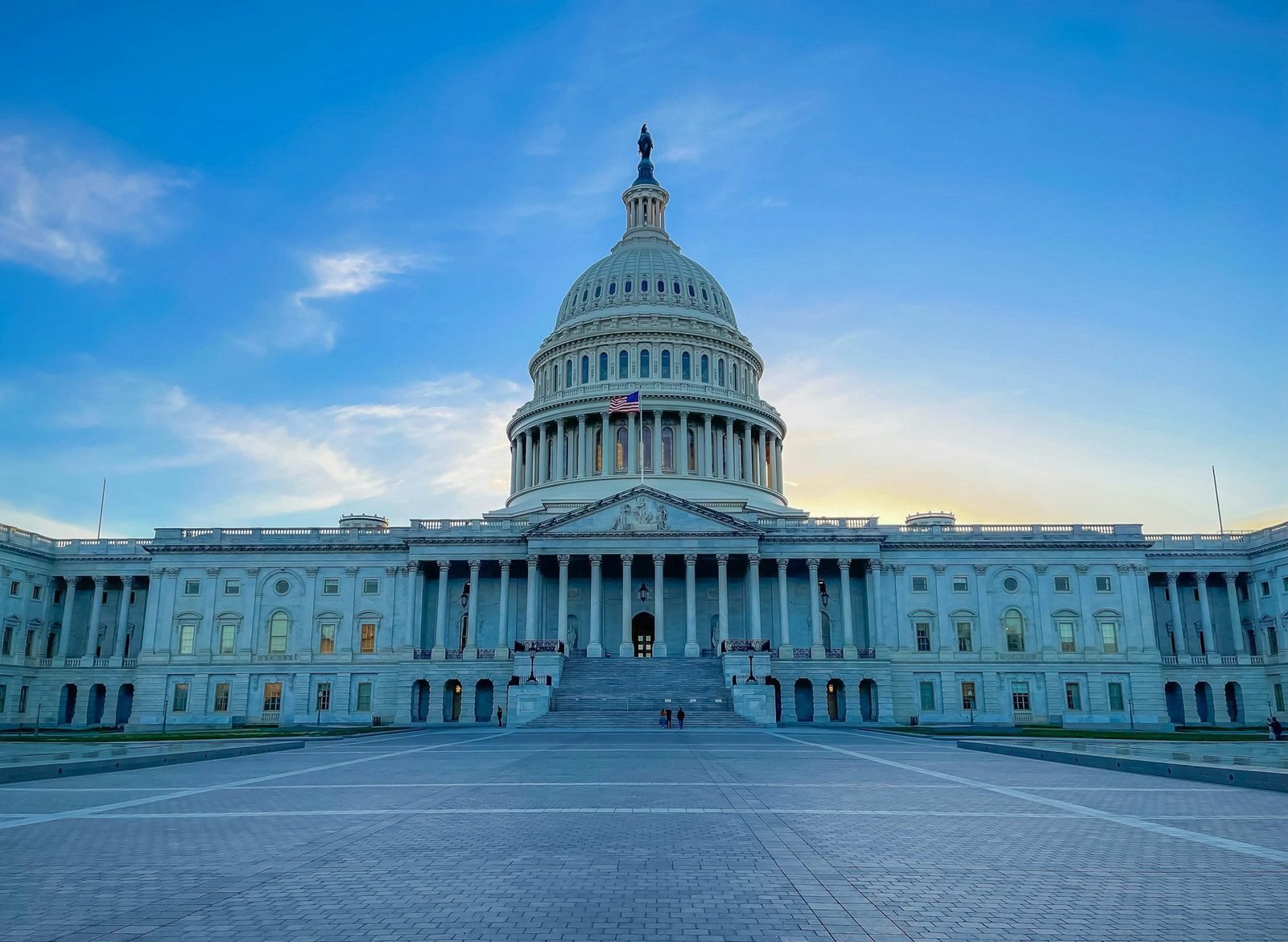
Waste Industry Sets Record Lobbying Spending on Capitol Hill in 2025
The U.S. waste industry spent a record amount of money lobbying the federal government in 2025, according to federal data. This surge comes amid continued industry consolidation and growing interest in national policy debates, particularly around tax credits and other key priorities.
According to data compiled by OpenSecrets, spending by public and private entities involved in waste, recycling, and wastewater activities exceeded $6.5 million in 2025. This figure surpasses the previous peak in 2009 and is more than double the amount spent in 2019. Leading spenders were primarily large solid waste companies.
Major Players
Among the nation’s largest waste and recycling companies, eight out of ten reported significant lobbying expenditures: WM, Republic Services, Stericycle, Waste Connections, Clean Harbors, Enviri, Radius Recycling, and Recology.
Key Lobbying Priorities:
• PFAS disposal and liability issues
• Waste-to-energy policies
• Renewable Natural Gas (RNG) incentives
• Alternative fuel tax credit extensions
• Recycling regulations
• Site remediation and Superfund program funding
• Greenhouse gas and methane rules
WM and Republic Services both declined to comment. WM highlighted priorities including waste-to-energy, PFAS, alternative fuel tax credits, and general recycling issues. Republic Services focused on energy and water appropriations, hazardous waste, and site remediation funding.
Recology, the only major company that responded to requests for comment, noted that the policy environment has shifted toward “liability, compliance, and regulatory certainty.” The company is placing greater emphasis on PFAS regulatory exposure and adapting to changing congressional priorities.
Industry Consolidation Driving Engagement
As the waste industry has consolidated, companies have grown from local and regional operators into national players. This shift has increased their interest in federal policy, which can significantly impact their bottom line. Publicly traded waste companies’ share of U.S. waste revenue grew from 41.2% in 1992 to 64.8% in 2024.
Industry groups such as the Recycled Materials Association and the National Waste & Recycling Association have also stepped up engagement with Capitol Hill to shape narratives around recycling and waste management.
Outlook
2025 marked a year in which the waste industry made its voice heard more strongly in Washington. With ongoing regulatory scrutiny around PFAS, methane emissions, and tax policy, this trend is expected to continue in the coming years.
-
Podcast Episode: EU Battery Regulation 2027: A Major Step Toward a Circular Battery Economy
Pip: The Mongolian Battery Initiative is watching Brussels so Ulaanbaatar doesn’t have to squint at a thousand pages of EU regulatory text alone.
Mara: Today we’re covering what the EU’s 2027 battery rules actually require, and what they might mean for Mongolia’s own circular economy thinking. The post is by Enji, and it’s worth unpacking carefully.
Pip: Let’s start with what Europe is actually mandating.
EU Battery Regulation 2027: Designing for the Long Haul
Pip: The core question here is simple but consequential — what happens when regulators decide that a battery dying shouldn’t mean an entire device dying with it?
Mara: The post frames the shift directly: “Rather than throwing away an entire device because its battery has failed, consumers will be able to replace the battery and continue using the product.”
Pip: That one sentence is doing a lot of work. It reframes the battery not as a sealed component but as a serviceable part — which changes how manufacturers have to think about product design from the ground up.
Mara: The regulation takes effect 18 February 2027, and it applies to portable electronics and light electric vehicles sold in the EU. Manufacturers must design for removable, replaceable batteries, allow independent repair, and keep replacement batteries available — five years minimum for portable electronics, ten years for e-bikes and electric scooters.
Pip: Ten years of replacement parts for an e-scooter is the kind of commitment that makes a product’s business model considerably less convenient to run on planned obsolescence.
Mara: And the post flags that replacement batteries must be “reasonably priced so that repair remains economically viable” — the regulation isn’t just about physical access, it’s about keeping the economics of repair realistic for actual consumers.
Pip: So the framework is design, availability, and affordability — all three have to hold or the circular economy logic collapses at the first link.
Mara: The post then turns that framework toward Mongolia. MCBI argues that a future Mongolian battery management system should be built from the same interlocking elements: product design, collection systems, repair, second-life applications, and recycling. The EU regulation is treated as a working model, not a foreign requirement.
Pip: A regulation Mongolia isn’t bound by is still a regulation Mongolia can learn from — that’s the practical argument the post is making.
Mara: And it’s one MCBI says it will keep tracking, monitoring international battery rules and translating them into practical knowledge for building a circular battery ecosystem domestically.
Pip: Design, repairability, availability — the EU is encoding those as legal minimums, and Mongolia is watching what that looks like in practice.
Mara: Next time, more from that developing picture.
-
EU Battery Regulation 2027: A Major Step Toward a Circular Battery Economy
Piblished by: Mongolian Circular Battery Initiative (MCBI)
Introduction
From 18 February 2027, a key requirement of the EU Battery Regulation will take effect. Portable electronic devices and light electric vehicles sold in the European Union must be designed so that batteries can be easily removed and replaced. This marks a major shift from disposable electronics toward a circular economy.
What will change?
The new rules require manufacturers to:
- Design products with replaceable batteries.
- Allow independent repair.
- Make replacement batteries available.
- Extend product lifetimes.
- Reduce electronic waste.
Replacement battery availability
Manufacturers must provide replacement batteries for:
- At least 5 years for portable electronics.
- At least 10 years for e-bikes and electric scooters.
Replacement batteries should also be reasonably priced so that repair remains economically viable.
Why is this important?
This regulation supports:
- Circular Economy
- Right to Repair
- Resource Efficiency
- Waste Reduction
- Climate Goals
Rather than throwing away an entire device because its battery has failed, consumers will be able to replace the battery and continue using the product.
What does this mean for Mongolia?
For Mongolia, this regulation offers valuable lessons when developing a future battery management system.
MCBI believes battery management should include:
- Product design
- Collection systems
- Repair
- Second-life applications
- Recycling
Building these elements together creates a more sustainable and resource-efficient circular battery ecosystem.
Source: Regulation (EU) 2023/1542-Article 11
MCBI will continue to monitor international battery regulations and share practical knowledge that can help Mongolia build a safe , efficient, and circular battery ecosystem.
-
Building a Circular Battery Economy in Mongolia
Having a vision is important. But a vision alone is not enough. Real change happens when ideas become practical actions. That is why the Mongolian Circular Battery Initiative focuses on building a complete national system, not just individual projects. A successful circular battery economy is built step by step. It connects government, industry, researchers, communities, and international pertners. Every participant has an important role, When these parts work together , the system becomes stronger, safer, and more sustainable.
Understanding the Challenge
Every successful strategy begins with knowledge. Before building infrastructure, we need reliable information. How many batteries are they? Where are they being used? How long do they remain in service? What happens when they reach the end of their useful life? Today , many countries still struggle to answer these simple questions. Without reliable data, it is difficult to make good policy decisions. Data is the foundation of every successful circular economy.
Safe Collection
The next step is collection. Used batteries should never be thrown away with ordinary household waste. Instead, they should be returned through safe collection points. These collection points may include vehicle dealerships, repair centers, electronics retailers, recycling facilities, and local government collection sites. The easier the collection process becomes, the higher the participation from citizens and businesses. A successful system must make the responsible choice the easiest choice.
Safe Transportation
After collection, batteries must be transported safety. Lithium-ion batteries can create fire risks if they are transported incorrectly. For this reason, transportation must follow clear safety standards. Workers need proper training. Emergency procedures must be established. Safety is never an additional cost. Safety is an investment that protects people, infrastructure, and the environment.
Battery Testing
Not every used battery should be recycled immediately. Some batteries still have significant remaining capacity. Each battery should first be inspected and tested. Its condition should be carefully evaluated. Some batteries that can no longer be safely used should enter the recycling process. Testing allows us to recover the maximum value from every battery while maintaining high safety standards.
Giving Batteries a Second Life
One of the most exciting opportunities is second-life energy storage. A battery that no longer meets the performance requirements of an electric vehicle may still provide many years of service in stationary energy storage. These batteries can support solar power. They can provide backup electricity for schools, hospitals, businesses, and remote communities. Second-life applications reduce waste , extend product life , and improve resource efficiency. They demonstrate one of the most important principles of the circular economy. Before recycling , we should always ask one question: Can this battery safety continue creating value?
Creating Value Instead of Waste
This is the philosophy behind the Mongolian Circulaer Battery Initiative. We do not see batteries as products with only one life. We see them as valuable resources with multiple opportunities to contribute to society. Every battery represents energy. Every battery represents materials. Every battery represents investment. Our responsibility is to ensure that these resources remain valuable for as long as possible. Because in a circular economy, waste is not the end of the story. It is the beginning of a new one.
-
Podcast Episode: Building a Circular Battery Future for Mongolia
Pip: Every battery eventually dies — and then the real question begins: is it waste, or is it a resource waiting for a second act? That question is exactly what MCBI, the Mongolian Circular Battery Initiative, is trying to answer.
Mara: Today's episode follows the work of Enji, who lays out the case for building a circular battery economy in Mongolia — from the scale of the coming waste challenge to what a full system, not just a recycling facility, actually looks like.
Pip: Let's start with the core argument: why Mongolia, why now, and what circularity actually demands.
Building a Circular Battery Future for Mongolia
Mara: The central claim here is that the clean energy transition creates a hidden responsibility — one that runs parallel to the promise of electric vehicles and renewable power. The question isn't whether batteries will reach end-of-life. The question is whether any system exists to handle them when they do.
Pip: The framing is direct: "I believe that batteries should never become forgotten waste. Instead, they should become part of a circular system where materials are recovered, resources are protected, and future generations benefit."
Mara: What that means in practice is that a used battery isn't ordinary trash. Inside every cell are lithium, cobalt, nickel, copper, graphite, and aluminum — materials that took significant energy, water, and natural resources to extract in the first place. Losing them to landfill is both an environmental and an economic failure.
Pip: And improper disposal isn't just wasteful — it's actively dangerous. Damaged batteries can catch fire. Hazardous substances can leach into soil and groundwater. So the stakes run from supply chain economics all the way down to community safety.
Mara: The piece makes a point worth sitting with: a circular economy is broader than recycling. Better design comes first, then longer product life, then repair, then reuse and second-life applications. Recycling is the last resort, not the whole answer.
Pip: Mongolia's specific advantage, as the argument goes, is timing. Most countries built their battery infrastructure only after facing a crisis. Mongolia still has the window to design responsibly from the start — which is considerably cheaper than cleaning up afterward.
Mara: The post is also clear that a factory alone isn't the solution. The full system requires public awareness, collection infrastructure, safe transport, digital tracking, battery testing, second-life deployment, material recovery, policy frameworks, and international cooperation — all working together.
Pip: Pull one piece out and the whole thing gets weaker. That's a systems argument, not a recycling pitch.
Mara: And the mindset shift the post calls for is equally deliberate: stop asking how to dispose of batteries, and start asking how to keep creating value from them.
Pip: The through-line here is preparation over reaction — build the system before the problem arrives, not after.
Mara: That logic applies well beyond Mongolia. Next time, we'll see where the initiative takes that argument next.