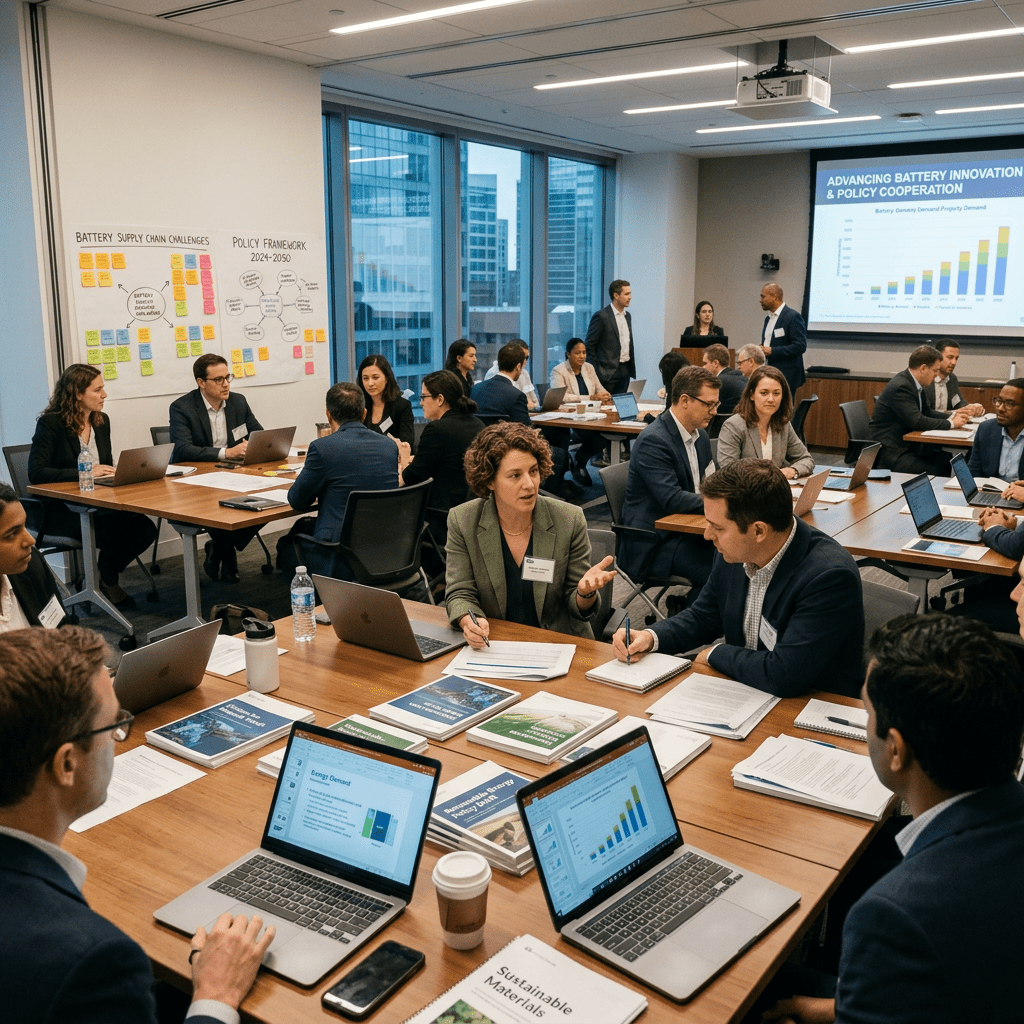
Circular Battery Systems for Mongolia. Mongolia is entering the EV era. But when batteries reach end-of-life, there is no system to receive them no collection infrastructure, no processing capacity, no regulatory framework.
MCBI is building that system. From research to policy to infrastructure phased, evidence based, and designed to transfer.
All feasibility research, regulatory analysis, and technical documentation is version-controlled and publicly available on GitHub.
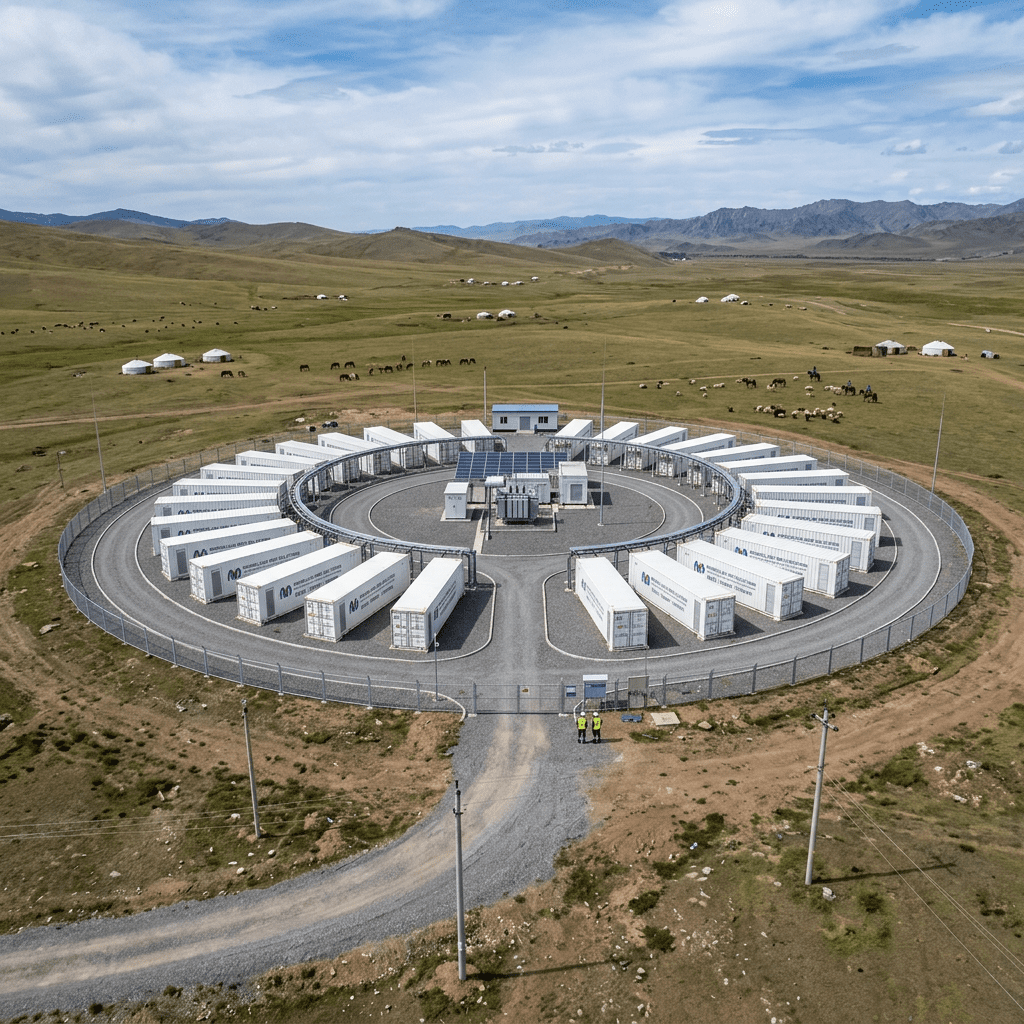
Phase 3 · Post-2031 · Industrial Scale-Up
Critical Mineral & Material Recovery Triggered when regional resource volume justifies industrial expansion. Advanced Element Extraction: Full scale chemical processing using IOCB extraction methodologies to recover high-purity critical minerals (Li, Co, Mn, Ni) and rare earth elements. 5,000+t/year Capacity: Expanding operations in Darkhan to serve as the primary circular economy hub for Central Asia. Global Supply Chain Integration: Connecting Mongolia’s recycled strategic assets directly into international clean-tech and high-tech manufacturing streams.
How We Build It
Phase 1 · 2026–2028 · Currently Active Research, Policy & Pilot Preparation
Before building physical infrastructure, we establish the strategic and legal foundation.
Comprehensive EPR Framework:Developing an all-inclusive Extended Producer Responsibility policy model with Ministry of Environment (??????)
Advanced Tech Transfer:Partnering with the Institute of Organic Chemistry and Biochemistry (IOCB) of the Czech Academy of Sciences to validate breakthrough extraction protocols.Unified Baseline Mapping: Standardizing quality and safety metrics for all mobility, solar, and industrial battery streams.
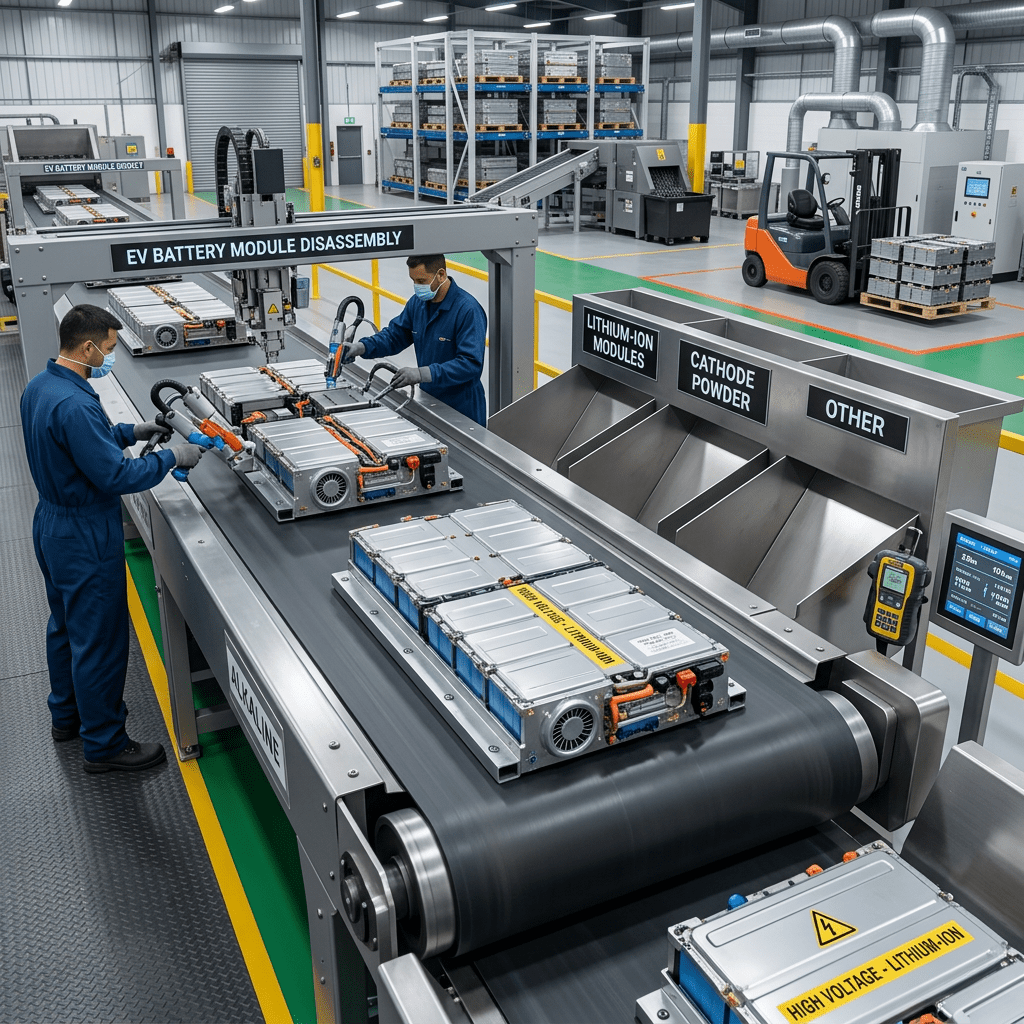
Phase 2 · 2028–2031 Preprocessing Hub Darkhan
Industrial Infrastructure Deployment When secondary material streams reach initial viable scale, we deploy modular infrastructure in Mongolia’s industrial Heartland. Modular Darkhan Facility: Establishing a 1,000-1,500 t/year sorting and diagnostics hub leveraging Darkhan’s central railway network.Lifecycle Architecture: Implementing QR-based tracking and material separation aligned with EU Battery Regulation standards. Resource Optimization: Screening high-capacity cells for clean-energy second-life applications and preparing the rest for advanced mineral recovery.
Key Projections
Based on industry benchmarks · Subject to local market validation
2028
Material volumes and tech streams reach economically significant scale under base scenario
1,500 t/yr
Viable operational processing capacity for Phase 2 in Darkhan
3,000 t/yr
Resource threshold that triggers Phase 3 industrial scale-up
14–18%
Projected IRR under base and high waste volume scenarios
Research & Documentation
All feasibility research, regulatory analysis, and technical documentation is version-controlled and publicly available on GitHub.
What is documented:
Clean tech and mobility adoption forecast (Low/Base/High scenarios) National battery and technological waste volume projections. Plant capacity and scalability scenario modeling for Darkhan Hub
Financial feasibility CAPEX, OPEX, IRR 14–18%, NPV / DCF
EU Battery Regulation applicability mapping for Mongolia
EPR policy framework draft
System architecture and material lifecycle model
Mongolia technological resource baseline documantation (2026)
All commits verified and publicly accessible. Policy briefs and investment materials available on request.
- Interested in the Research?