
Projects and research

Our Services

Explore our fleet of programs that advance recycling, policy support, and investment in Mongolia’s circular battery ecosystem.
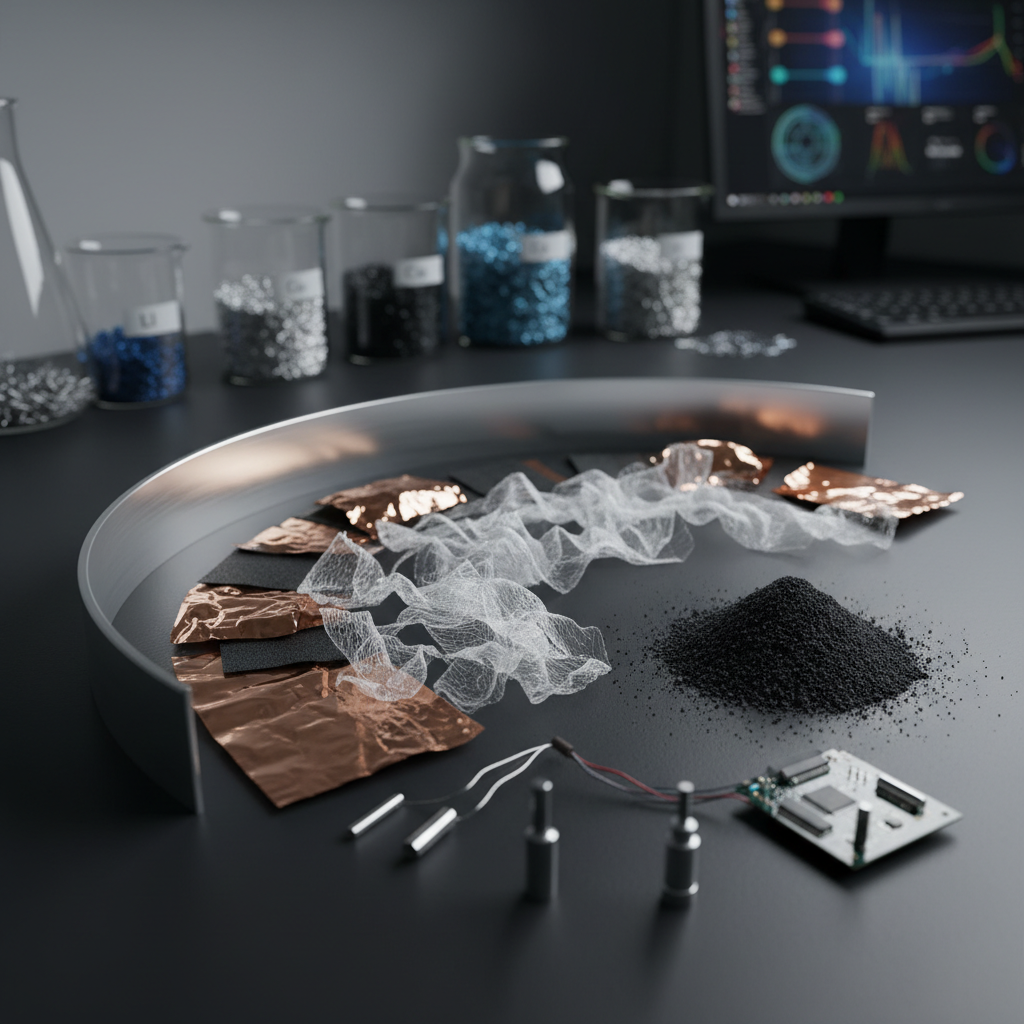
A close-up, photographic view of a disassembled lithium-ion battery laid out on a dark, matte laboratory workbench, each component—metal casing, copper foils, separator films, and black cathode powder—carefully arranged in a semicircle. Fine textures of the materials are clearly visible, from brushed metal to granular active material. Soft, diffused overhead lighting from a lab fixture creates minimal glare and precise shadows, emphasizing detail and clarity. In the softly blurred background, labeled glass jars of recovered metals and a clean computer monitor hint at data analysis. Shot from a slightly elevated angle with shallow depth of field, the mood is analytical, precise, and professional, highlighting the science behind sustainable battery recycling.
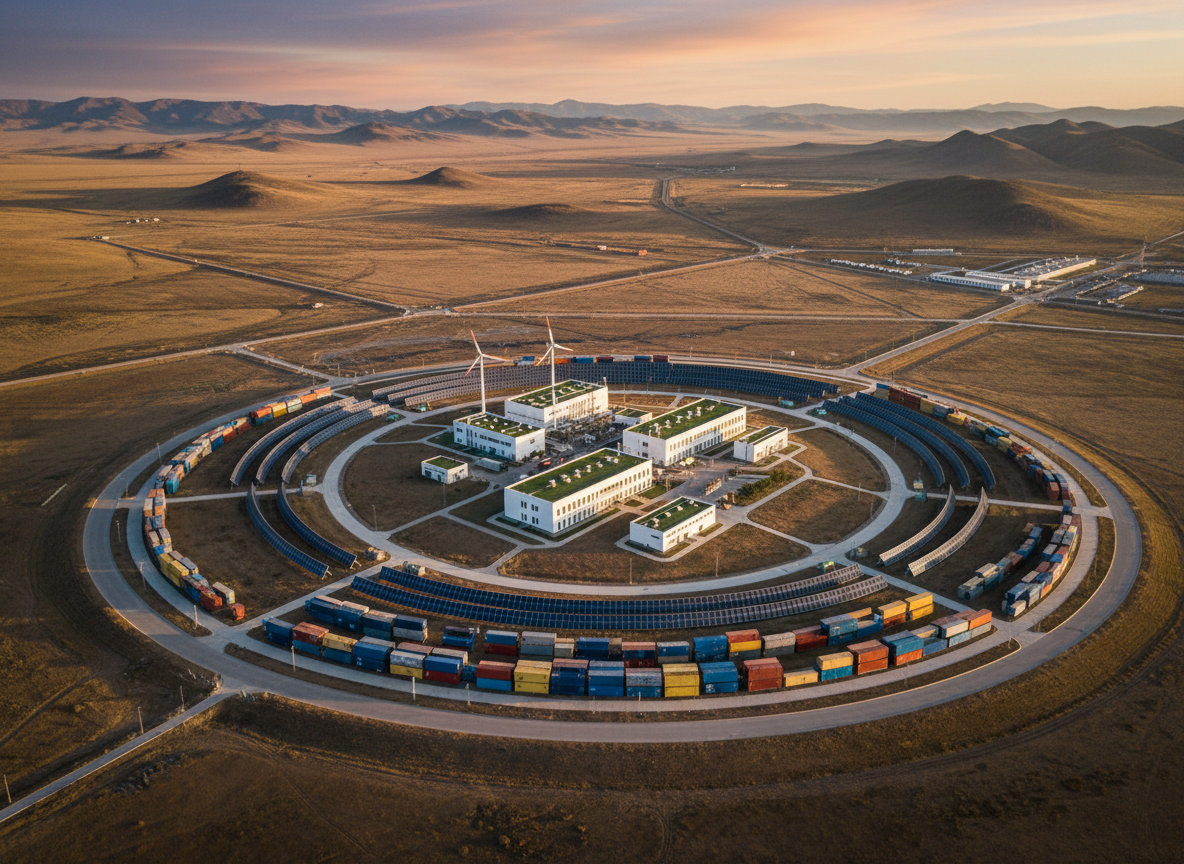
An expansive aerial, photographic view of a circular industrial ecosystem on the outskirts of a Mongolian city, featuring a compact battery recycling plant, adjacent solar panel arrays, and neatly organized storage containers for recovered materials. The plant’s buildings are clean-lined with white and light gray facades, accented by green roofs and small wind turbines. Late afternoon sunlight bathes the scene in a warm, golden tone, casting long, soft shadows that emphasize the circular layout of roads and pathways. In the distance, rolling steppe and low mountains provide a natural backdrop. The composition uses wide-angle cinematic framing with sharp focus, conveying a balanced, visionary atmosphere of circular resource systems integrated into the landscape.

Program Areas

We organize our battery initiatives into distinct programs, each with clear objectives, milestones, and measurable activities that demonstrate impact, progress, and learning across Mongolia’s circular economy.
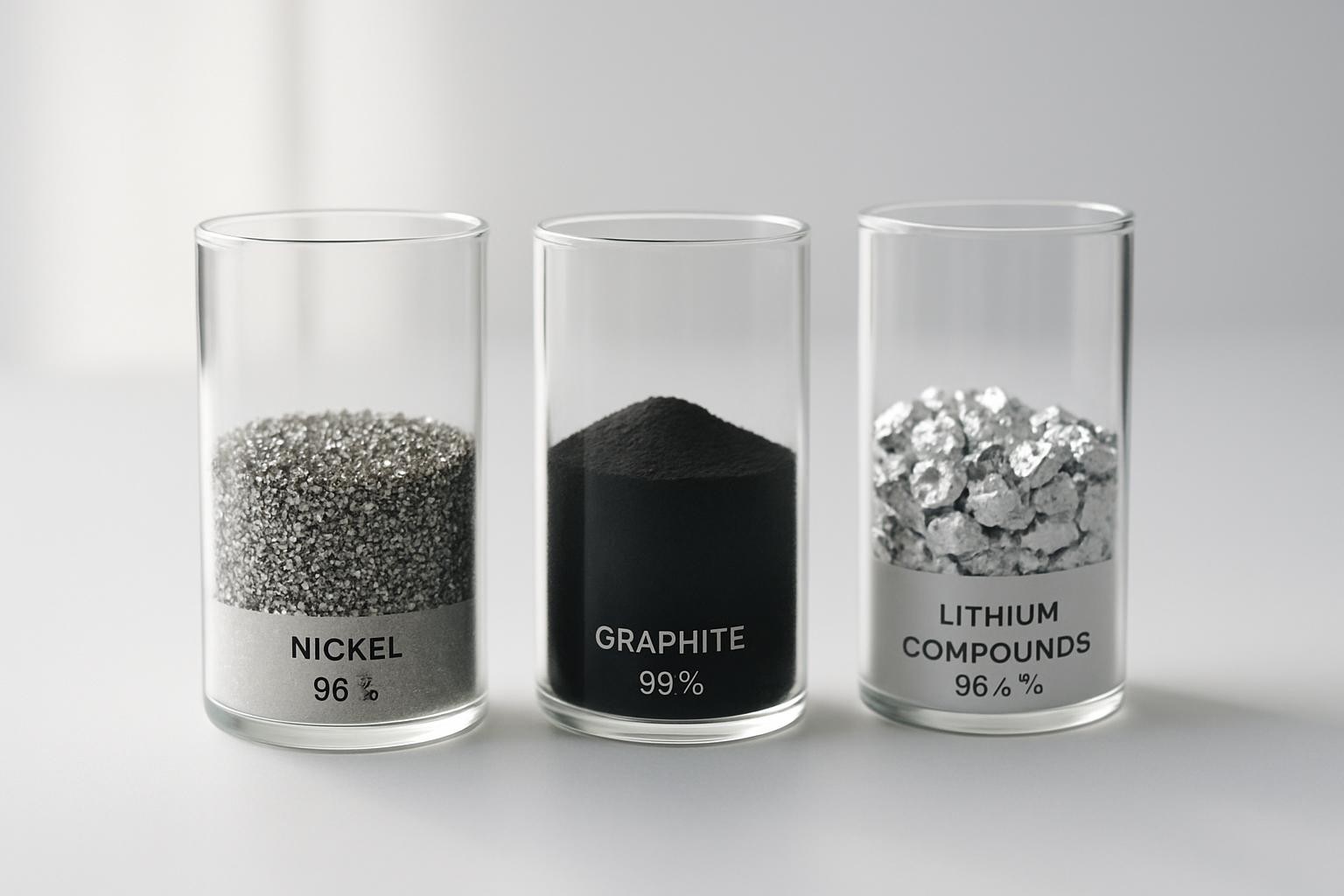
A minimalist, photographic composition of three transparent glass cylinders on a pristine white surface, each filled with different recovered battery materials: shimmering metallic granules of nickel, fine black graphite powder, and bright silver lithium compounds. The containers are aligned in a gentle diagonal, with subtle labels indicating purity percentages. Soft, natural daylight from a large unseen window to the left creates delicate highlights on the glass rims and gentle gradients of shadow behind each cylinder. The background fades into a clean, out-of-focus white, emphasizing the materials as valuable resources rather than waste. Captured at eye level with shallow depth of field, the mood is refined, scientific, and optimistic, reflecting circular economy principles in a modern, professional aesthetic.

Data Maps

We enable flexible presentation of technical reports, datasets, maps, and downloadable briefs about battery flows and circular models.

A close-up, photographic view of a disassembled lithium-ion battery laid out on a dark, matte laboratory workbench, each component—metal casing, copper foils, separator films, and black cathode powder—carefully arranged in a semicircle. Fine textures of the materials are clearly visible, from brushed metal to granular active material. Soft, diffused overhead lighting from a lab fixture creates minimal glare and precise shadows, emphasizing detail and clarity. In the softly blurred background, labeled glass jars of recovered metals and a clean computer monitor hint at data analysis. Shot from a slightly elevated angle with shallow depth of field, the mood is analytical, precise, and professional, highlighting the science behind sustainable battery recycling.